
How to Choose Head Protection for Construction Projects
A project-procurement framework for translating work tasks, site rules and accessory needs into a verifiable helmet brief.
In this article +
Begin with the project risk assessment
Head protection selection belongs inside the site’s risk-control process. Collect the tasks, impact or falling-object concerns, work-at-height conditions, electrical considerations, environment and employer rules before comparing products. The procurement team should not invent requirements that belong to the competent safety function.
Translate the requirement into a model brief
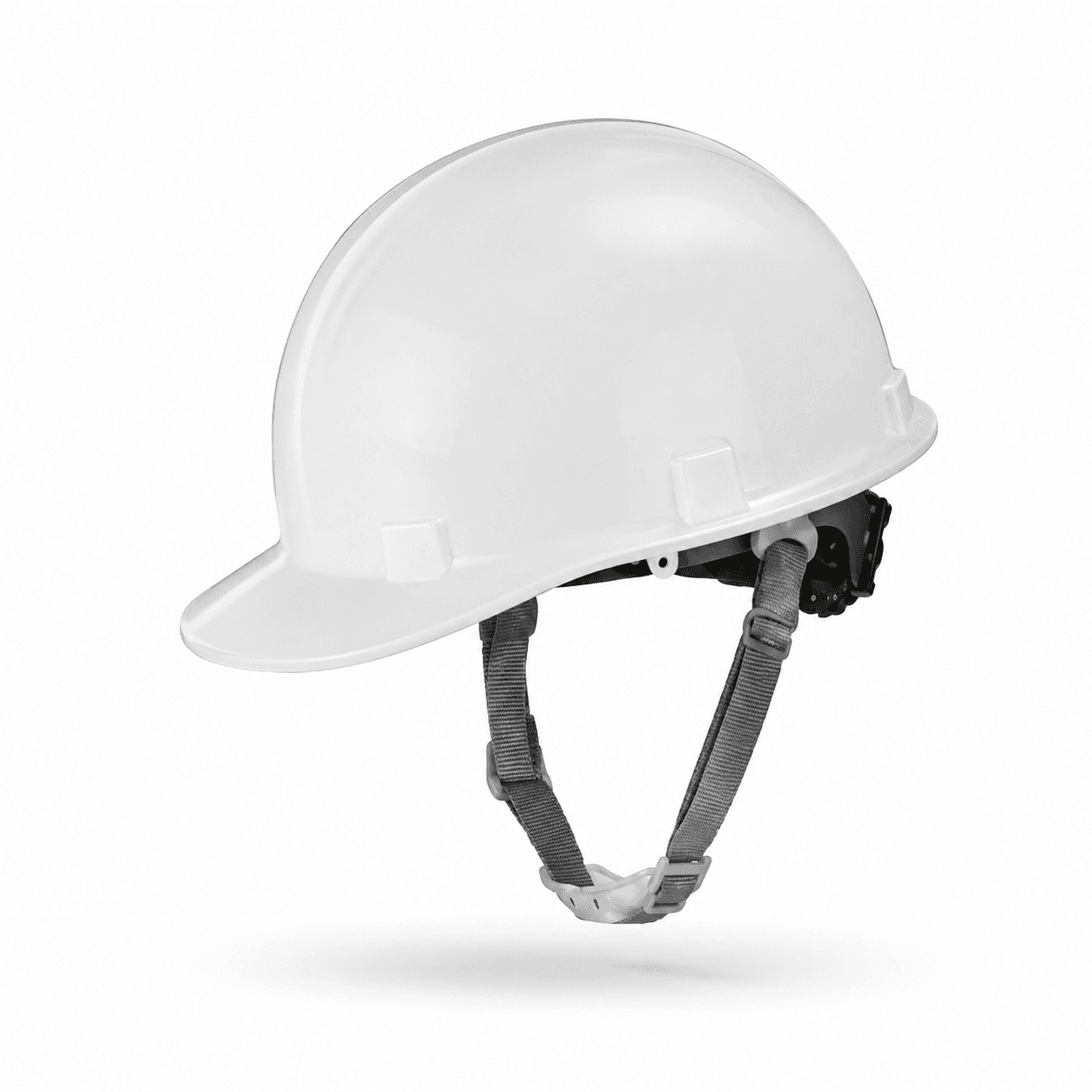
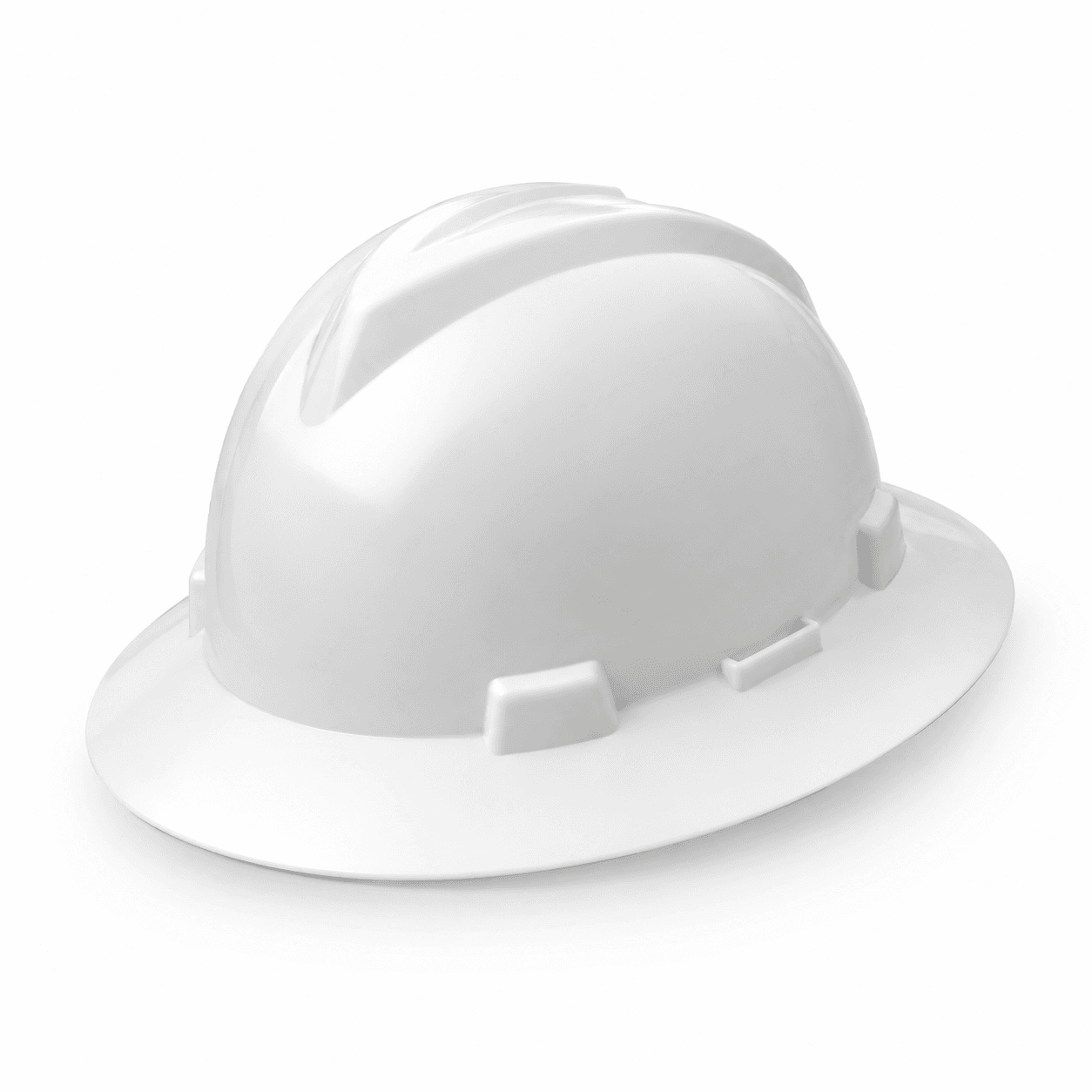
Once the site requirement is approved, describe the intended helmet style, retention system, accessory interfaces, size range, colours and markings. Identify which points are mandatory and which can be evaluated during sampling.
- Destination market and named project requirement
- Helmet style and retention needs
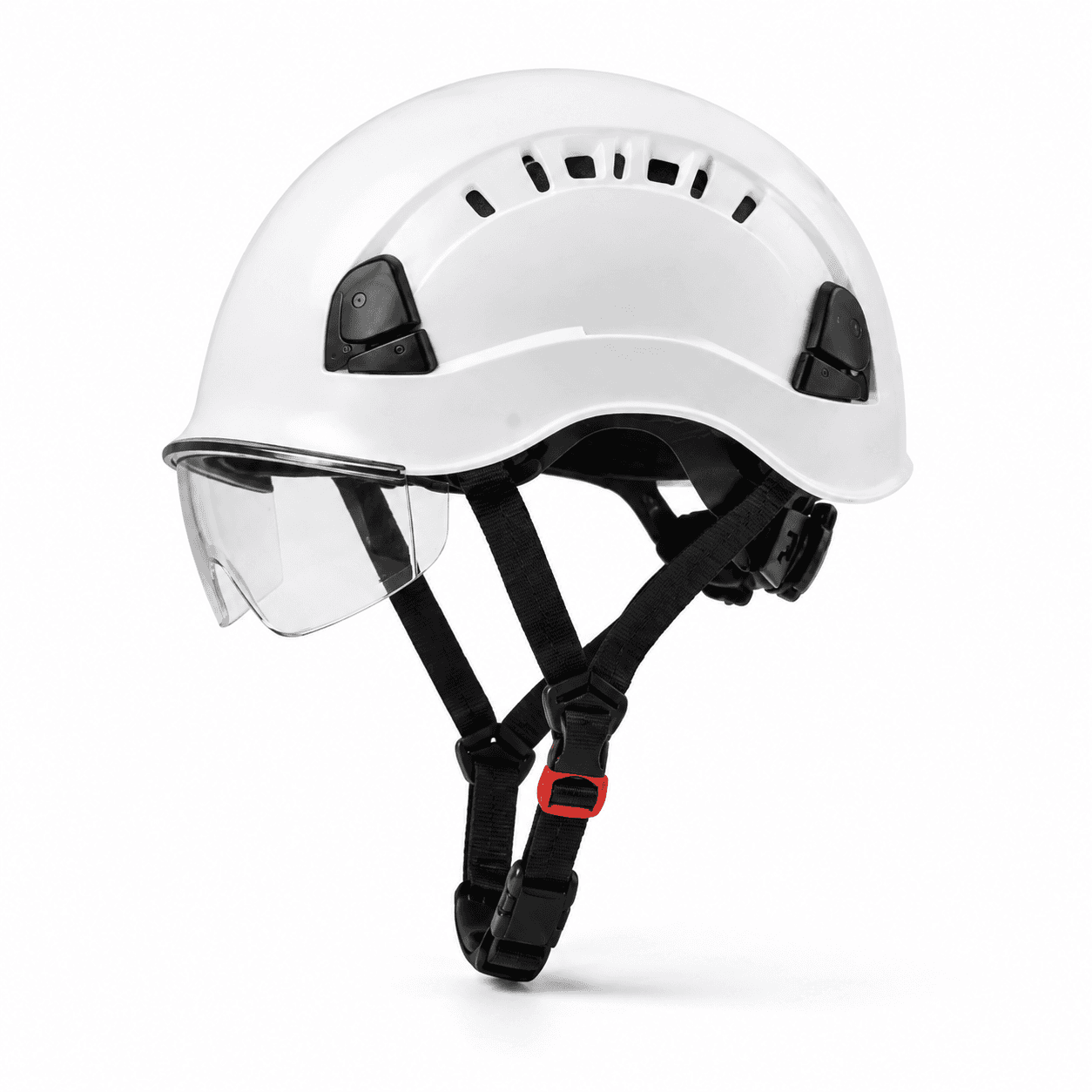
- Compatibility with eye, face or hearing protection
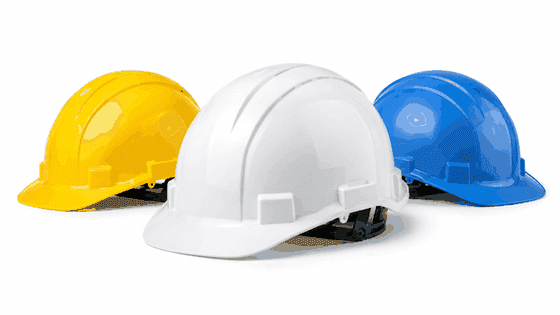
- User identification, colour and marking plan
- Required model-specific documents
Check the complete configuration
A helmet is often used with visors, earmuffs, lamps or chin straps. Confirm that proposed accessories fit the selected model and that the final system matches the project requirement. Do not infer compatibility only from similar-looking slots or fittings.
Use samples and documents for approval
Evaluate fit, adjustment, accessory use, markings and packing with a representative sample. Review model-matched documents in parallel. Capture approved details in the purchase specification so production and pre-shipment checks use the same baseline.